101COMEDIES.COM · LAUGHTER & WELLNESS
Is Stress Stealing the Fun Out of Your Life?
Your body may be paying the price. Here’s how to recognize chronic stress—and make more room for relief, laughter, and a little play.
When Stress Becomes Your Uninvited Houseguest
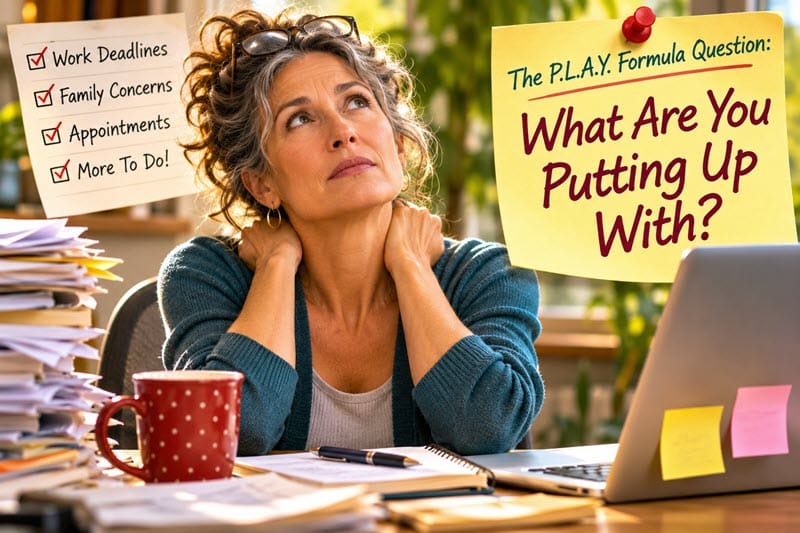
Stress has a way of moving in without asking permission. It starts with a difficult week at work, a family concern, or a string of little emergencies. Then one day you realize your shoulders have been hovering near your ears for months.
A little stress is part of being human. Your body has a built-in alarm system designed to help you respond to challenges. The trouble begins when the alarm keeps ringing—even when there's no immediate emergency.
Chronic stress isn't simply a bad mood. It can affect how your body functions, how you think, and how you feel. And because it often builds gradually, you may not notice how much it has taken over.
Your Body Has an Alarm System. It Wasn’t Designed to Ring All Day.
When your brain perceives a threat, it activates a coordinated response involving the nervous system and hormones such as adrenaline and cortisol. Your heart may beat faster, your attention sharpens, and your body prepares to act.
That's useful if you need to avoid a dangerous situation. It's less useful when the “threat” is an overflowing inbox, tomorrow's appointment, or the argument you keep replaying in your head.
Normally, the stress response settles when the challenge passes. With ongoing pressure, however, the system can remain activated too often or for too long. As the Mayo Clinic explains, prolonged stress can contribute to problems throughout the body. Read the Mayo Clinic overview.
Think of it as leaving your car engine revving while you're parked. Eventually, something needs attention.
The Sneaky Ways Stress Shows Up
Stress doesn't always announce itself with the words “I am stressed.” Sometimes it arrives disguised as everyday annoyances:
- Restless nights: Your body is tired, but your mind insists on holding a committee meeting at 2 a.m.
- Tight muscles and headaches: Your neck, jaw, and shoulders seem to be bracing for something.
- Digestive discomfort: Stress can affect how your digestive system feels and functions.
- Brain fog: Concentration and memory become harder when you're overloaded.
- Irritability or low mood: Little frustrations feel unusually large.
- Changed habits: You may move less, sleep poorly, withdraw socially, or rely on less-helpful ways of coping.
Over time, persistent stress is associated with increased risks for several health problems, including cardiovascular concerns. None of these symptoms automatically means stress is the cause, though. New, persistent, or worrying symptoms deserve medical evaluation.
Why the Same Day Feels Different to Different People
One person can navigate a chaotic afternoon with a shrug. Another feels overwhelmed by half as much. That doesn't make one person stronger or weaker.
Our reactions are shaped by life experience, biology, present circumstances, and the support available to us. Past trauma, ongoing responsibilities, and uncertainty can all influence how readily our alarm systems switch on.
That means there is no single perfect relaxation technique for everyone. The more useful question is: What helps you feel a little safer, steadier, and more able to cope?
The P.L.A.Y. Formula Question: What Are You Putting Up With?
Drs. Susan and Julian Lange, creators of The P.L.A.Y. Formula, encourage a practical kind of self-awareness: noticing how everyday choices and experiences affect your sense of well-being.
Consider your own day. What drains your energy? What helps restore it? Which commitments are necessary—and which ones have become habits you never thought to question?
You may not be able to change a difficult job, an illness, or a family responsibility overnight. But perhaps you can ask for help, set one reasonable boundary, stop striving for perfection in an unimportant task, or give yourself permission to rest.
Stress management isn't only about calming down after a difficult day. It's also about noticing what keeps making the day difficult.
And Now, a Word in Favor of Being Ridiculous

Here's something wonderfully uncomplicated: sometimes a funny movie is exactly the break you need.
Watching a comedy won't erase a problem, cure a medical condition, or replace the support you need. But it can interrupt a cycle of rumination, offer a pleasant change of focus, and create a moment of connection if you're laughing with someone else.
The Mayo Clinic includes humor and funny movies among everyday approaches people can use to cope with stress. That's a pretty respectable endorsement of making room for amusement—without claiming that popcorn is a prescription.
At 101Comedies.com, we think this is an excellent reason to keep a few reliably funny films close at hand. Choose the ones that actually make you laugh. Humor is personal; what delights one person may leave another staring at the screen.
A Practical Stress-Less Menu
Instead of trying to overhaul your entire life by Monday, pick one or two small actions you can repeat:
- Move a little. A comfortable walk or other appropriate physical activity can help support well-being.
- Protect your sleep. Give yourself a calmer transition into bedtime and reduce stimulating screen time when possible.
- Try gentle relaxation. Comfortable breathing, meditation, or muscle relaxation may help you unwind. Stop if an exercise makes you uncomfortable.
- Connect with someone. A supportive conversation—or a shared laugh—can make a hard day feel less isolating.
- Reduce one unnecessary demand. Delegate, postpone, or let go of something that doesn't truly need doing.
- Choose a comedy break. Watch a favorite scene, a short funny clip, or a full film when time allows.
- Get help when you need it. A healthcare professional or counselor can help if stress is persistent or interfering with daily life.
The goal isn't to become an Olympic champion of relaxation. It's to make ordinary life a little more livable.
The Ten-Minute Reset
Need somewhere to start? Try this low-pressure routine:
- Two minutes: Put down what you're doing. Notice where you're holding tension, and settle into a comfortable position.
- Three minutes: Breathe gently at a natural pace, or simply listen to calming sounds. There's no need to force deep breaths.
- Three minutes: Enjoy a favorite funny scene, recall an amusing memory, or share a joke with someone.
- Two minutes: Ask yourself, “What's one small thing I can make easier today?” Then choose a realistic next step.
That's it. No complicated equipment. No grading system. And absolutely no requirement to laugh on command.
When Stress Needs More Than a Comedy
Persistent anxiety, depressed mood, disrupted sleep, or physical symptoms deserve attention. A funny movie can be a welcome companion to healthy coping, but it isn't a replacement for professional care.
Seek prompt medical help for concerning symptoms. Chest pain accompanied by breathlessness, sweating, dizziness, or pain spreading to the arm or jaw may require emergency evaluation rather than an assumption that it's “just stress.”
And if you're struggling emotionally, talking with a qualified mental health professional can be an important step.
Give Joy a Place on the Calendar
It's easy to promise yourself that you'll relax once everything is finished. Unfortunately, life rarely sends an official notice saying, “Congratulations! All responsibilities have been completed. You may now enjoy yourself.”
So perhaps the better plan is to make room for enjoyment while life is still happening.
Take the walk. Call the friend. Turn off the news for a while. Put on the comedy you've been meaning to watch.
Reducing stress isn't always about doing something dramatic. Sometimes it's about choosing one small moment of relief—and allowing yourself to enjoy it.
Here’s to less stress—and more reasons to smile.
Further reading: Mayo Clinic — Chronic stress puts your health at risk · The P.L.A.Y. Formula
Medical note: This article is for general educational and entertainment purposes only. It is not medical advice, diagnosis, or treatment. Consult a qualified healthcare professional about symptoms or health concerns.